InReserve
Your tokens. Your keys. One wallet that brings every Ethereum standard — ERC20, ERC721, ERC1155 and ERC875 — into a single portfolio, with a built-in DApp browser and support for every major EVM chain.
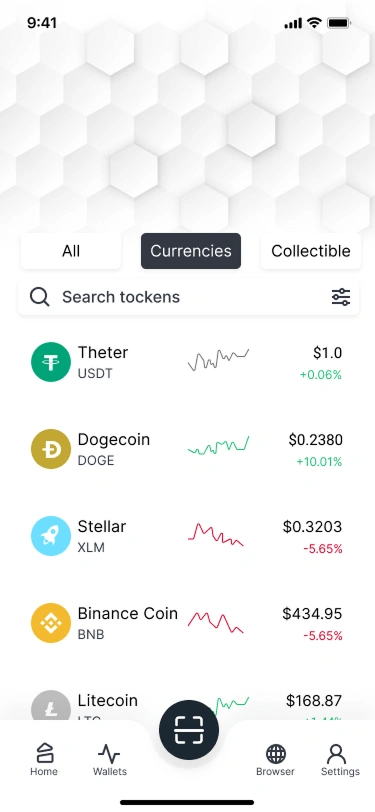
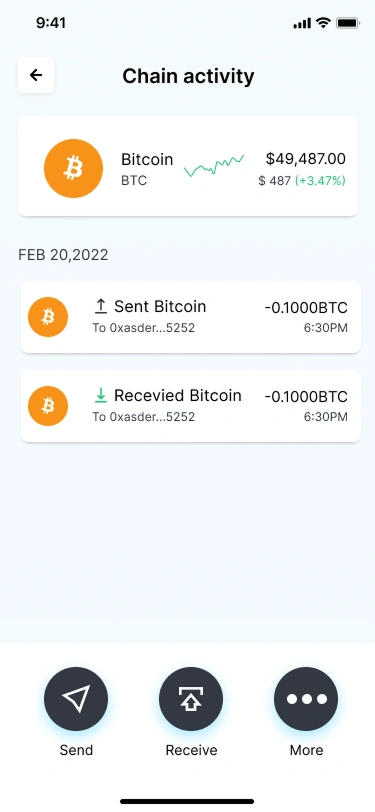
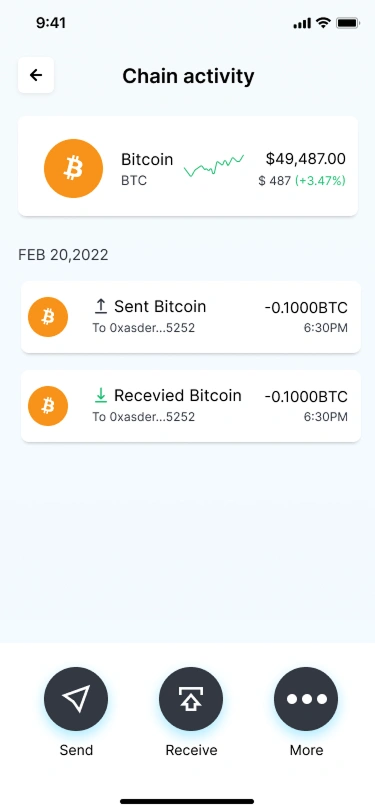
Crypto holders rarely keep just one kind of asset. They hold currencies, collectibles, gaming items and event tickets, and each typically lives in a different app with its own keys to manage. The result is a scattered portfolio and a security surface that grows with every extra wallet installed. InReserve was built for people who want full control of their digital assets without that fragmentation. It normalises ERC20 currencies, ERC721 collectibles, ERC1155 gaming tokens and ERC875 tickets into one portfolio, so the entire balance sheet sits behind a single set of keys the user actually owns.
Every Screen, Designed for Clarity
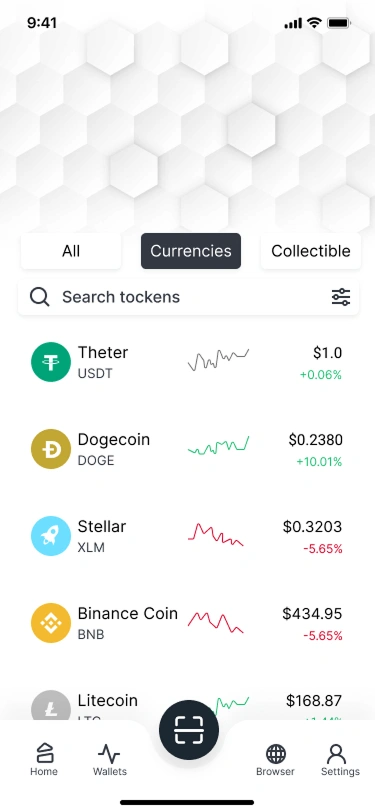
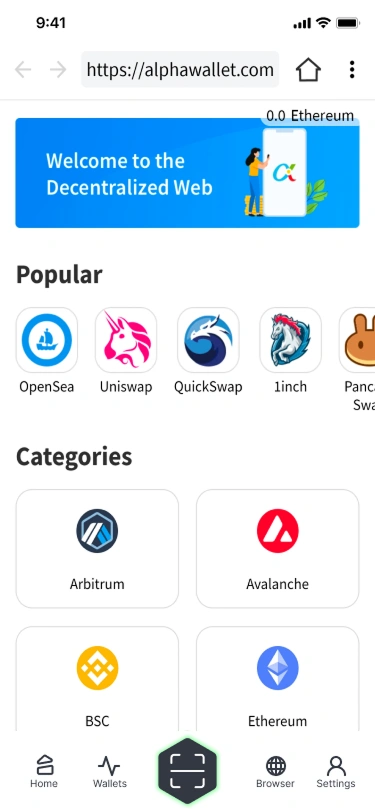

Multi-Token Support
ERC20, ERC721, ERC1155 and ERC875 tokens — currencies, collectibles, gaming items and tickets — all live in one unified feed. No separate tabs, no balances scattered across apps. Every asset shows its real-time price, contract details and quick-send actions.

Secure Key Management
Private keys are generated and held on-device inside the secure enclave — they never leave the phone or reach a server. Every outbound transaction is gated by biometric authentication, and seed phrases can be backed up to encrypted keystore files or imported from any standard wallet.

Built-In DApp Browser
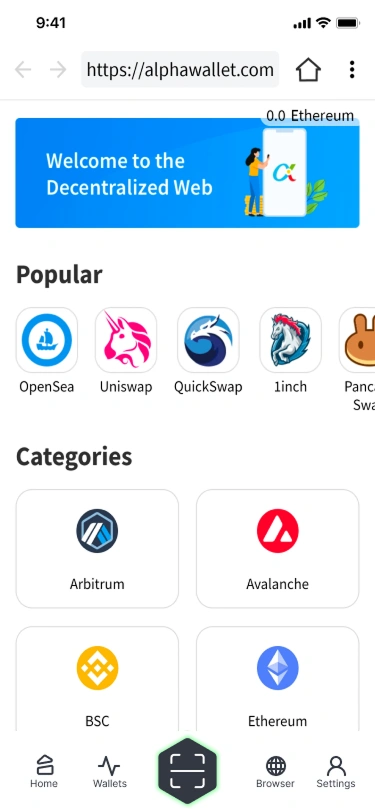
Connect to OpenSea, Uniswap, PancakeSwap and hundreds of decentralised apps without leaving the wallet. WalletConnect and injected web3 work out of the box, so signing, swapping and minting feel as natural as opening a browser tab.

Multi-Network Support
Switch between Ethereum, BSC, Polygon and Avalanche with a single tap — one wallet for every EVM-compatible chain. Custom RPCs, testnets and gas-fee presets are configurable per network, giving power users full control while keeping the default experience simple.
Native Apps, Decentralised Infrastructure
Hard Problems in Blockchain Security
Security had to meet the highest bar from day one
Users trust a wallet with real money, so encryption, key management, seed-phrase handling and authentication all had to be airtight at launch, not patched in later.
We implemented industry-standard encryption with secure-enclave storage on both iOS and Android, so private keys never leave the device. Seed-phrase recovery uses a guided flow with verification steps, and multi-factor authentication adds a second gate before any outbound transaction clears.
Four ERC standards in one consistent interface
ERC20 fungible tokens, ERC721 NFTs, ERC1155 multi-tokens and ERC875 tickets each behave differently on-chain, yet the interface had to make them feel like one coherent experience.
We built a unified token engine that normalises all four standards into a single data model. Through that backend development approach, balances, history and transfer flows render identically regardless of the underlying standard, so adding a new token type became a backend configuration rather than a UI rewrite.
One app for beginners and power users alike
A first-time holder needs guidance and simplicity. An experienced trader needs speed, network switching and DApp access. The same mobile app interface had to serve both without feeling either dumbed down or overwhelming.
We designed a progressive interface that starts simple and reveals advanced features as the user grows. New users see balances and send-and-receive. Experienced users unlock network preferences, the DApp browser and advanced transaction settings — the same app at two levels of depth.
Questions Before the First Block
A native crypto wallet typically ranges from EUR 40,000 to EUR 150,000 or more, depending on how many token standards and chains it supports and how deep the DApp integration goes. A single-chain wallet with basic send-and-receive sits at the lower end; a multi-standard, multi-network wallet with a built-in DApp browser like InReserve sits higher. We provide a fixed scope and price before any code is written.
Private keys should be generated and stored on the device inside the secure enclave, never transmitted to a server. We pair that with biometric authentication on every outbound transaction and an encrypted backup flow for seed phrases. The user holds the keys; the wallet never has custody of the funds.
It depends on your users. ERC20 covers most currencies and is essential. ERC721 covers NFTs and collectibles. ERC1155 handles gaming and multi-token use cases, and ERC875 covers tickets and similar assets. InReserve supports all four through one unified engine, but many wallets launch with ERC20 and ERC721 first and add the rest later.
The wallet embeds a web browser that injects a web3 provider into each page, so decentralised apps can request signatures and transactions directly. Combined with WalletConnect, this lets users swap on Uniswap, buy on OpenSea or mint NFTs without ever copying keys between apps.
For a wallet, we recommend native. Swift and Kotlin give the tightest access to the secure enclave, biometric APIs and camera for QR scanning, and that hardware-level security matters more in a wallet than in most apps. Cross-platform frameworks can work, but for anything holding real funds, native is the safer call.
A focused single-chain wallet can ship in three to four months. A multi-standard, multi-network wallet with a DApp browser, like InReserve, typically takes five to eight months. Security review and testing take a meaningful share of that timeline, and rightly so.
Each EVM-compatible chain shares the same address format and transaction model, so a single key set works across all of them. We add a network layer that lets users switch chains with one tap, configure custom RPCs and set per-network gas presets, while the wallet handles the routing behind the scenes.
At minimum, a code audit of the key-management and transaction-signing logic, penetration testing of the app and any backend, and a review of the seed-phrase and recovery flows. For wallets handling significant value, a third-party security audit from a specialist firm is strongly recommended before public launch.
Building a crypto wallet or Web3 app?
We build native blockchain apps with secure key management, multi-token support and DApp integration.