PixiKwik
PixiKwik brings premium salon products from multiple trusted vendors together in one beautifully simple app. Customers browse products across many vendors, add items to a wishlist, place orders and track deliveries, while vendors manage their own storefronts, update inventory in real time and handle orders from a dedicated dashboard. Everything runs on one platform, serving both buyers and sellers without friction.
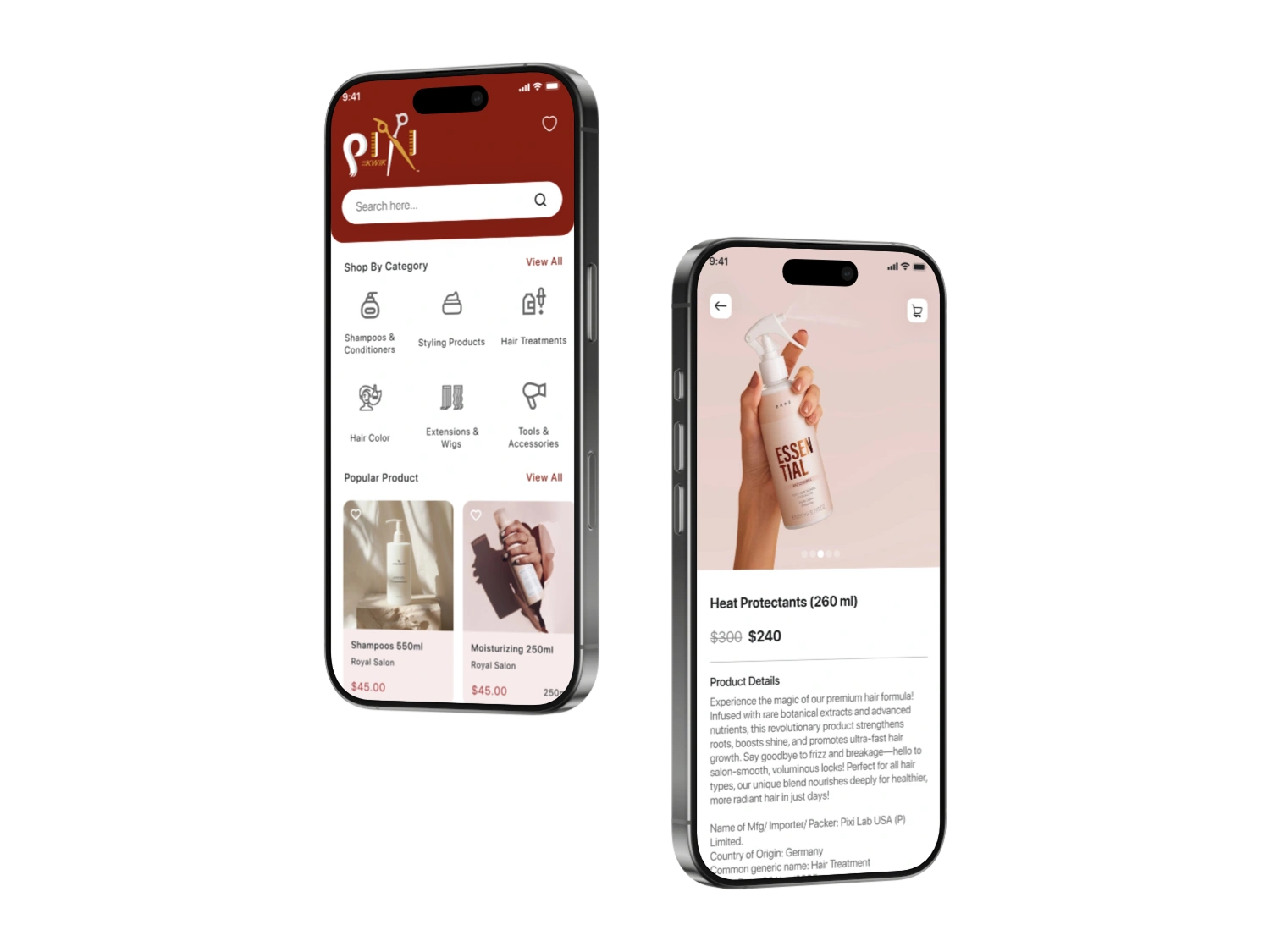
About the project: salon shopping, reimagined for mobile
PixiKwik brings the salon shopping experience to the phone. Customers browse products from multiple trusted vendors, add items to their wishlist, place orders and track deliveries, while vendors manage their own storefronts, update inventory in real time and handle orders from a dedicated dashboard. The whole thing runs on one platform that serves buyers and sellers at once, without either side getting in the other's way.
App screens: from browsing stores to tracking your delivery
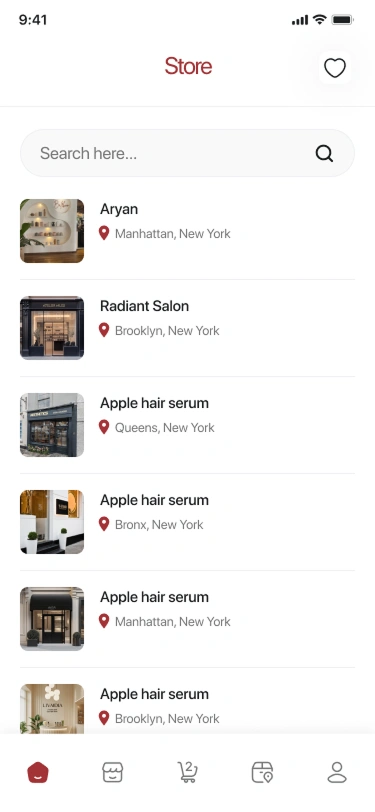
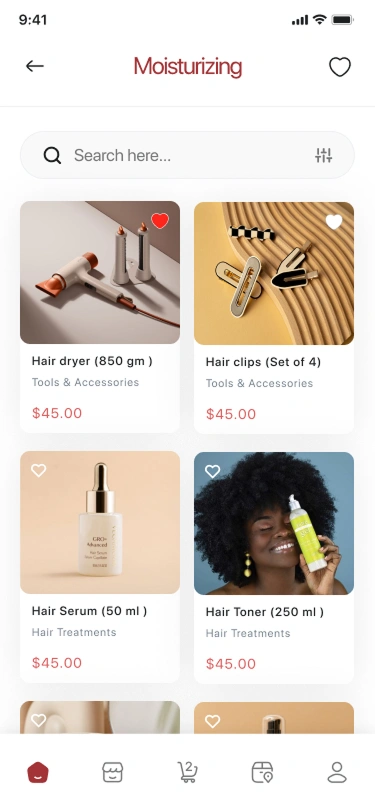
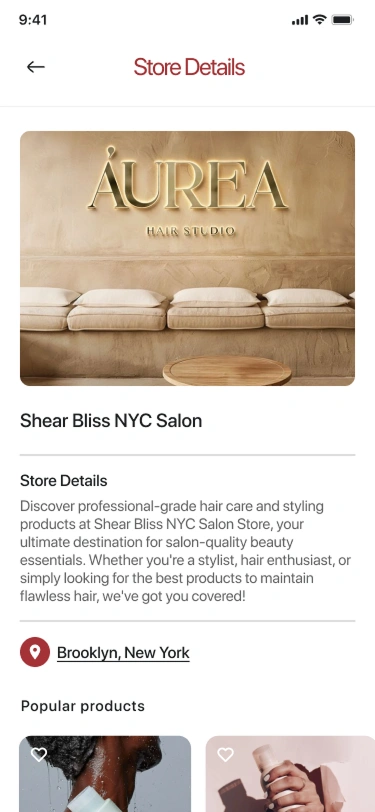
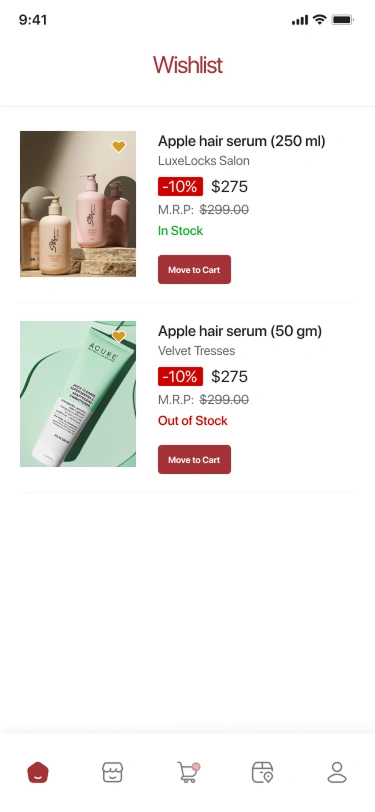
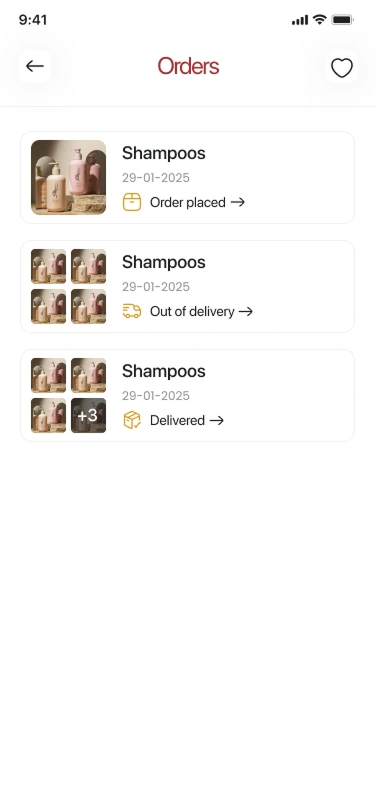
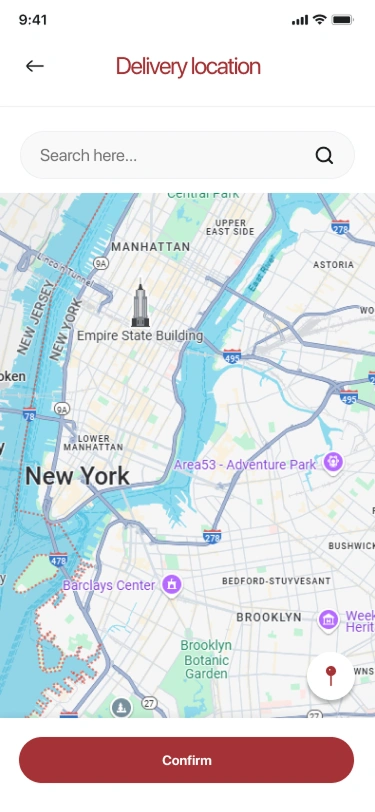
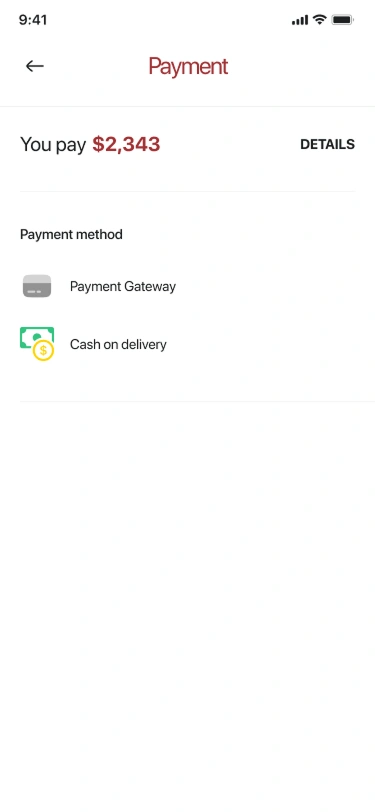
The journey runs cleanly from discovery to doorstep across the key screens: stores, products, store detail, wishlist, orders, delivery and payment. Each one is designed so a customer never loses their place between browsing a brand and tracking what they bought from it.
Key features: everything a beauty marketplace needs

Multi-store marketplace
Each vendor gets their own storefront with custom branding, products and pricing. The platform feels like one shop to the customer while every brand keeps control of how it looks and what it sells, which is exactly what a true marketplace needs.

Real-time inventory
Stock updates push to every device instantly, so there is no overselling and no stale product counts. In a marketplace, an item that shows as available but is actually sold out is a broken promise, and real-time inventory is what prevents it.
Secure checkout
Multiple payment options, including gateway payments and cash on delivery, give customers a checkout they trust and the flexibility they expect. Meeting people with the payment method they prefer is part of what turns a browse into a sale.

Delivery tracking
Customers follow their order from placement to doorstep, with push notifications at every step, so they always know where their products are. That visibility removes the anxiety that otherwise follows every online order.

Wishlist and favourites
Shoppers save products for later and get notified when prices drop or items come back in stock. The wishlist is not just a convenience, it is a gentle, well-timed reason to come back and buy.

Admin dashboard
The platform owner gets full control over stores, users, products, promotions and payouts from one place. Running a multi-vendor marketplace is only sustainable if the owner can manage it all without drowning in dashboards.
How it works: browse, shop, deliver

Browse stores
Customers scroll through trusted salon vendors, each with its own branding, product range and pricing, and find what they need across multiple brands. Discovery feels like wandering a curated beauty hall rather than searching a flat catalogue.

Add to cart and pay
They pick their products, choose a payment method and check out securely, with support for gateway payments and cash on delivery. The checkout is built to be quick and reassuring, because that is where marketplaces most often lose the sale.

Track your order
Customers follow their order from placement to delivery, with push notifications at every step, so they always know where their products are. The experience stays connected right up to the moment the package arrives.
Built with: one codebase, multiple storefronts
Flutter serves both iOS and Android from a single Dart codebase, which kept the build efficient without compromising the feel on either platform. Laravel handles the multi-tenant backend, vendor management, order processing and inventory sync, and MySQL stores everything from product catalogues to transaction histories. One codebase on the front, a robust multi-tenant engine behind it: that is what lets many storefronts live inside one clean app.
Mobile
Backend
Challenges and solutions: multi-vendor complexity, simplified for everyone
Multi-store architecture
Every vendor needed their own storefront with unique branding, product catalogue and pricing. The app had to feel like a single shopping experience for customers while giving each vendor full control over how their store looks and what they sell, and building that flexibility without turning the codebase into a mess was the core challenge.
We built a multi-tenant architecture where each vendor gets a self-contained storefront with its own branding, catalogue and pricing rules. The Flutter app development loads vendor-specific data dynamically, so customers see one unified shopping experience while vendors manage their stores independently through a dedicated dashboard. One platform, many shops, no tangle.
Real-time inventory sync
Inventory had to stay accurate across every device in real time. When a vendor updates stock or a customer places an order, every other user viewing that product needs to see the change immediately, because stale inventory leads to overselling, and overselling destroys customer trust.
Laravel broadcasts inventory changes through real-time events, so when a product sells or a vendor updates stock, the new count pushes to every connected client within seconds. The order system reserves stock at checkout and releases it if the payment fails, which prevents overselling without any manual intervention.
Scalable admin controls
The admin panel had to scale without adding complexity. As more vendors join and the catalogue grows, the platform owner needs to manage stores, users, orders, promotions and payouts without drowning in dashboards, so every admin tool had to stay simple even as the data underneath grew large.
We designed the admin panel around role-based views. The platform owner sees high-level metrics and one-tap actions for common tasks like approving a store or flagging a product, with drill-down views that reveal detail only when needed. Search, filters and bulk actions keep everything fast even across thousands of listings.
What beauty brands ask before building.
It depends on scope, but as a guide, a multi-vendor marketplace like PixiKwik in the Netherlands typically runs from around EUR 30,000 to EUR 70,000 or more, given the vendor storefronts, real-time inventory, payments and admin panel. We give a fixed estimate after a short discovery call rather than quoting blind.
Through multi-tenancy. Each vendor gets a self-contained storefront with its own branding, catalogue and pricing, and the app loads vendor-specific data dynamically. Customers see one unified shopping experience while each vendor manages their store independently through a dashboard, all on one platform without the codebase becoming a tangle.
With real-time events. In PixiKwik, Laravel broadcasts stock changes so a new count reaches every connected device within seconds, and the order system reserves stock at checkout and releases it if payment fails. That combination prevents overselling automatically, which is essential because stale inventory destroys customer trust fast.
At minimum, secure gateway payments for cards and wallets, plus cash on delivery where customers expect it, which is exactly what PixiKwik supports. The right mix depends on your market, and meeting people with the payment method they already trust is part of turning a browse into a completed sale.
A multi-vendor app like PixiKwik typically takes around five to seven months from concept to launch, given the storefronts, real-time inventory, payments and admin panel. We work in two-week sprints with working software throughout, so progress is visible rather than going quiet until launch.
For most e-commerce apps, Flutter is a strong choice because one Dart codebase delivers a native-feeling experience on both iOS and Android and keeps build and maintenance costs down, which is what we used for PixiKwik. Pure native makes sense for very hardware-heavy or performance-extreme apps, and we advise honestly on which fits.
Everything a vendor needs to run their storefront independently: managing their branding and product catalogue, setting prices, updating stock in real time, and handling incoming orders. It is built so each vendor controls their own shop without needing the platform owner to act for them, which is what makes a marketplace scale.
Customers follow their order from placement to doorstep, with push notifications at every step, so they always know where their products are. That continuous visibility removes the anxiety that follows most online orders and keeps the experience connected right up to the moment the package arrives.
Building a multi-vendor e-commerce app?
We build marketplace apps with vendor storefronts, real-time inventory and secure checkout.
Start a conversation