TrendzFans
Stream live, build your audience and earn in real time. Public shows, private paid sessions and a built-in wallet for creators who mean business. Fans discover streams, join with a tap and tip with virtual gifts that convert to real earnings.
A live streaming platform where creators go live, fans join public or private sessions, tip with virtual gifts that convert to real earnings and track income on a dedicated dashboard. Built on Flutter with Zegocloud for low-latency video and Node.js for the backend.
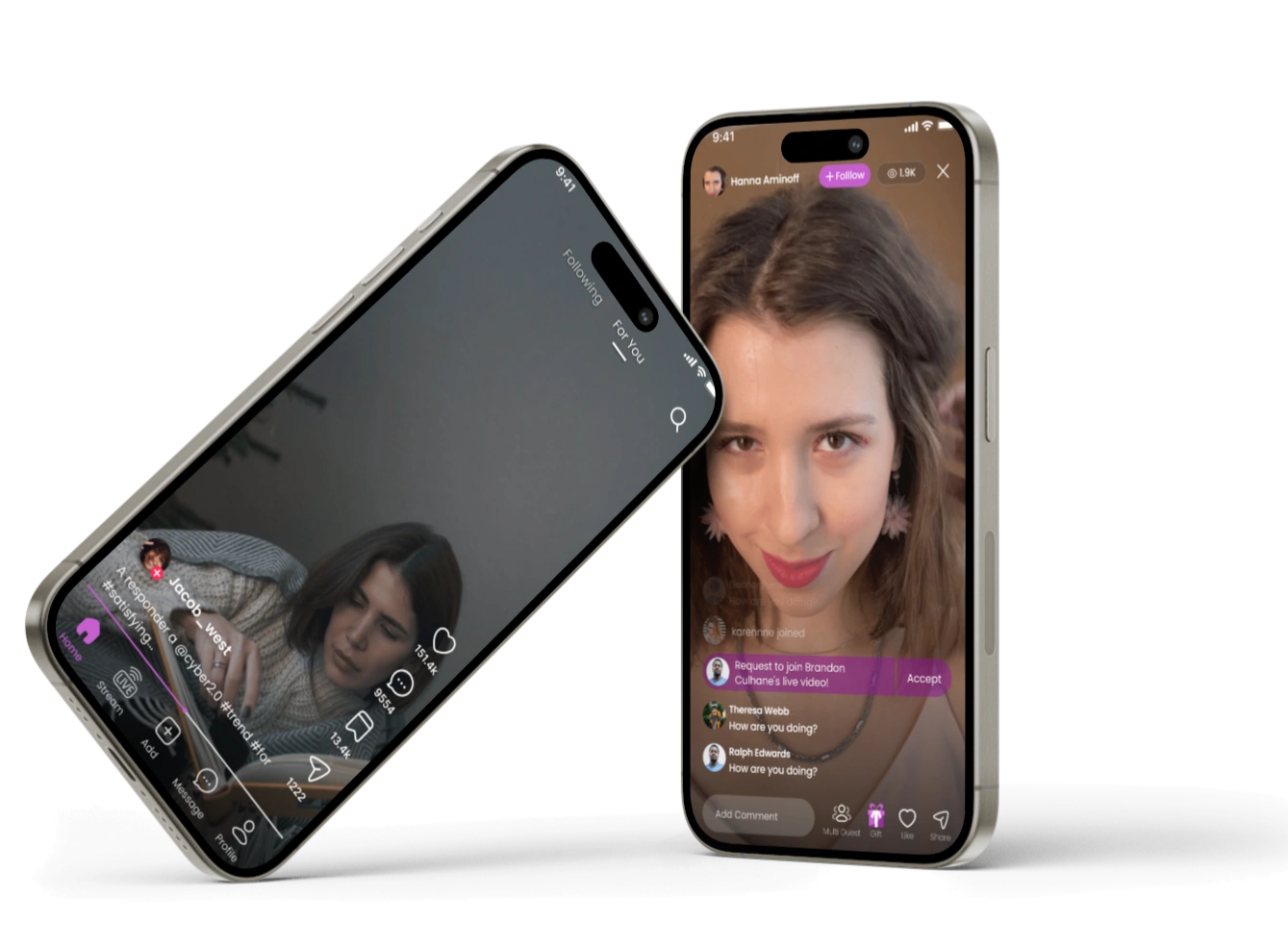
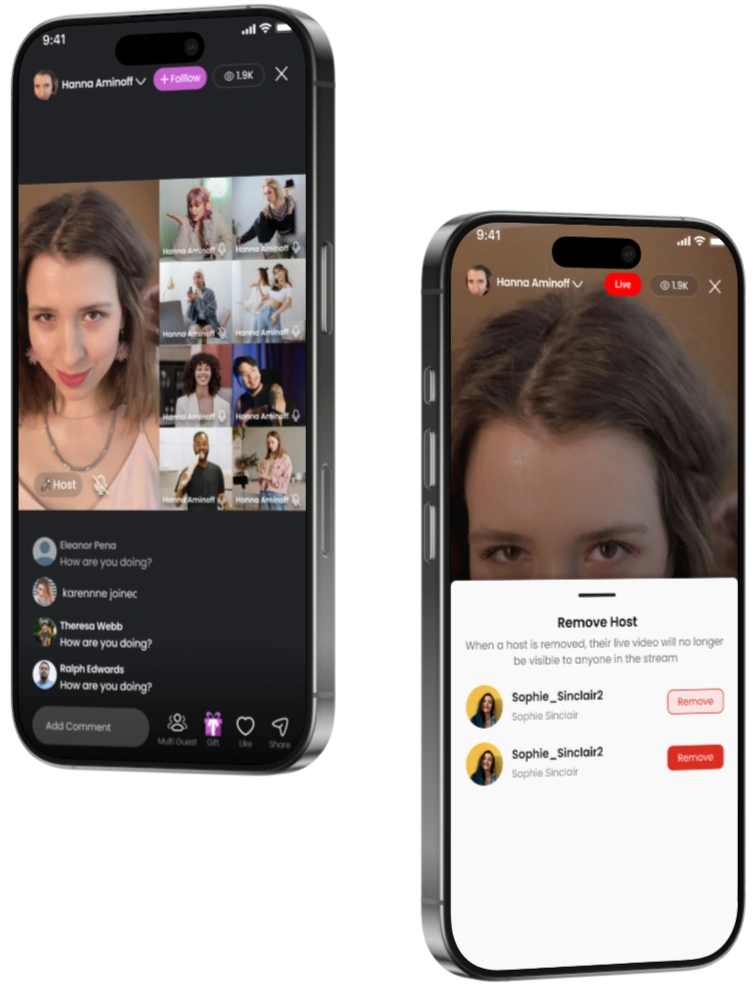
A Stage for Creators, a Front-Row Seat for Fans
Creators want to go live in seconds and get paid for it without sending fans off to a separate payment app or waiting days to see their earnings. Fans want to discover streams easily, join instantly and show support in the moment. Most platforms break that loop somewhere — slow payouts, laggy video or a clumsy split between free and paid content. TrendzFans keeps the whole loop tight. Creators tap Go Live and choose a free public show or a paid private session, built with Flutter app development. Fans find streams in a visual feed, join with a tap and interact through comments, likes and tips. Every transaction flows through a secure in-app wallet, and creators watch their earnings climb live on screen while they are still streaming.
Scroll Through the Experience
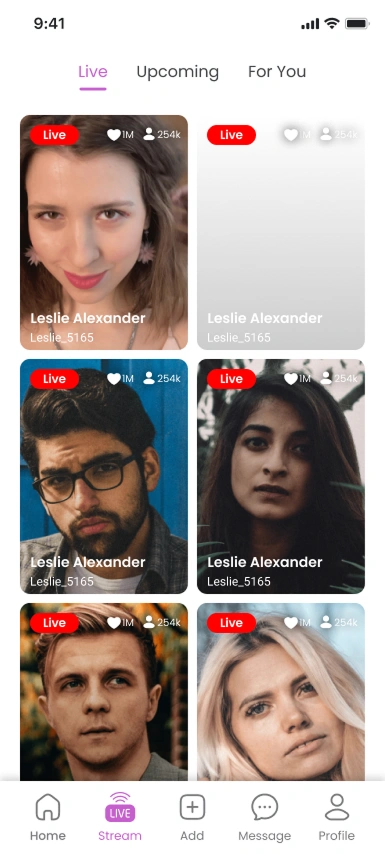
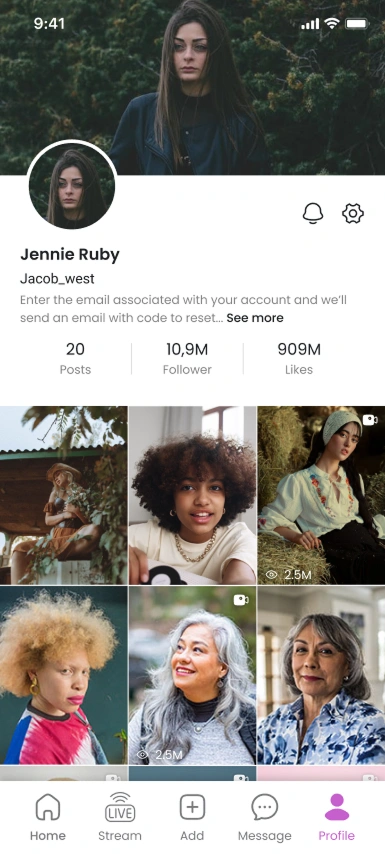
Everything Creators and Fans Need




Go Live. Earn. Repeat.
Start a Stream
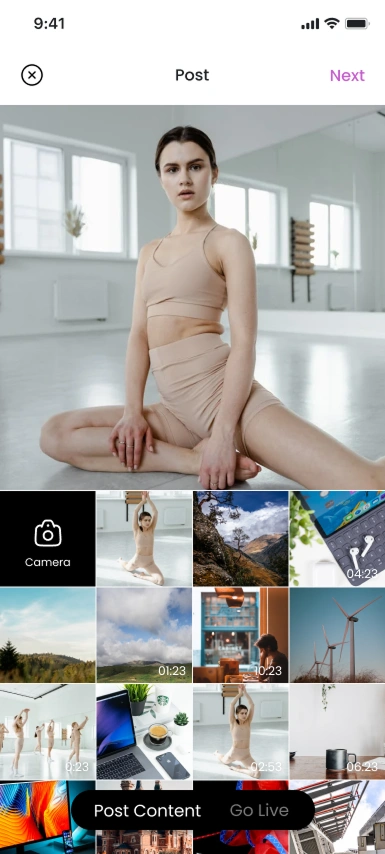
Tap Go Live, choose public or private and start broadcasting. The stream appears in the discovery feed instantly for fans to find.
Engage Your Fans
Viewers join, send comments, drop likes and tip with virtual gifts. Private-stream fans pay an entry fee for exclusive access to the creator.
Track Your Earnings
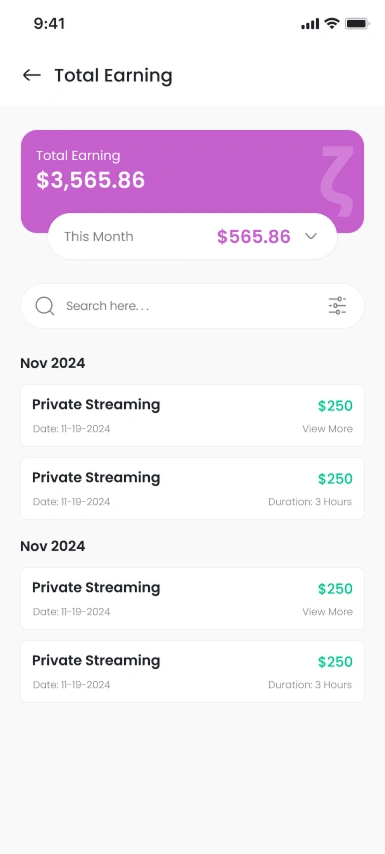
Every gift and every private-session fee lands in the wallet in real time. Creators cash out whenever they want.
Real-Time Streaming Is Hard. Here Is How We Made It Work.
Two streaming modes on one platform
Public streams are open to everyone and drive discovery. Private streams are locked behind a paywall and create exclusivity. Both had to run on the same infrastructure without one degrading the performance of the other.
How we fixed itWe built separate streaming channels for the two modes, both powered by Zegocloud. Public streams use a one-to-many broadcast. Private streams use a gated channel that only activates after payment confirmation. The two run in parallel without sharing resources, so a busy public show never slows a paid private session.
Payments in real time during a live stream
When a fan sends a gift or pays to join a private session, the creator's wallet needs to update instantly. Any delay breaks the sense of connection between viewer and streamer that makes tipping feel worthwhile.
How we fixed itWe built a real-time payment pipeline on Node.js and MongoDB. When a fan sends a gift, the transaction writes to the database and pushes a wallet update to the creator's device in under half a second, so earnings visibly climb on screen while the creator is still live.
Smooth video on every network
A viewer on 5G and a viewer on patchy café Wi-Fi both need a smooth, lag-free experience. Buffering kills engagement in live streaming faster than almost anything else.
How we fixed itZegocloud handles adaptive bitrate streaming, adjusting quality to each viewer's connection in real time. On top of that we added a buffering strategy that pre-loads the next few seconds of video, smoothing out network hiccups without a visible drop in quality.
What People Ask Before Building a Streaming App
A live streaming app typically costs between EUR 50,000 and EUR 150,000 or more, depending on features. Basic one-to-many streaming sits at the lower end; add real-time payments, private paid sessions, a creator wallet and moderation tools and it climbs. TrendzFans, with two streaming modes and a real-time wallet, sits in the upper range. We provide a fixed scope and price before development.
Zegocloud provides the real-time video infrastructure — the SDKs and servers that carry low-latency audio and video between broadcaster and viewers. It manages adaptive bitrate, so quality adjusts to each viewer's connection automatically, which saves building and operating that infrastructure from scratch.
When a fan sends a gift or pays for access, the transaction is processed and written to the database, then a wallet update is pushed to the creator's device immediately. In TrendzFans this happens in under half a second, so the creator sees earnings update live rather than after the stream ends.
Flutter works well for streaming apps and let us ship TrendzFans to both iOS and Android from one codebase, which kept cost and timeline down. The heavy video work is handled by the Zegocloud SDK regardless of framework, so Flutter gives a strong balance of speed to market and performance for this kind of app.
We run them as separate channel types. Public streams are open one-to-many broadcasts that anyone can join. Private streams are gated and only activate once payment is confirmed. Keeping them on separate channels means the two modes never compete for the same resources.
A basic streaming app can ship in three to four months. A creator platform with public and private modes, a real-time wallet, gifting and moderation, like TrendzFans, typically takes five to eight months, since the payment and video systems each need careful testing.
At minimum, an easy way to go live, a wallet with transparent earnings and cash-out, and basic audience analytics. Most successful platforms add private paid sessions, gifting, and a dashboard showing income over time. TrendzFans includes all of these plus admin moderation to keep the platform safe.
Live content needs a mix of tools: an admin panel to review and remove streams, the ability to suspend accounts, and reporting controls for viewers. For larger platforms, automated detection can flag content in real time for human review. We build the moderation layer to match the platform's scale and risk.
Building a live streaming or creator platform?
We build streaming apps with real-time payments, video infrastructure and creator tools.
Start a conversation